Roulette is a game that has captivated players for centuries, combining elements of chance with an allure that draws both casual gamblers and seasoned veterans to the table. While many online resources, including popular sites like Gamspot, provide substantial information about different casino games, roulette often becomes overshadowed or relegated to basic descriptions. This article seeks to delve deeper into the fascinating nuances of roulette, exploring its history, gameplay strategies, and the various types not typically highlighted on mainstream gaming sites. Join us as we spin the wheel of knowledge! Additionally, you can see related insights at roulette not on gamspot https://akoautismexpo.co.uk.
The History of Roulette
Roulette, which translates to “little wheel” in French, has a rich history that dates back to the 18th century. The game is believed to have been invented by Blaise Pascal, a French mathematician, while he was trying to create a perpetual motion machine. The modern form of roulette that we recognize today began to take shape in the 1790s when the wheel design was improved, and the layout was standardized. The first official roulette wheel was introduced in Paris in 1796.
As the game spread throughout Europe, it underwent various modifications. The introduction of the American double-zero wheel in the 19th century created new betting options and improved the house edge. Today, there are two primary versions of the game: European and American roulette. The European wheel features a single zero, while the American version has both a single and double zero, making the odds of winning slightly less favorable for players.
Understanding the Basics of the Game
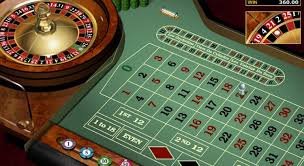
Roulette is played on a distinctive wheel segmented into numbered pockets. Players place bets on where they believe the ball will land after the wheel is spun. The betting options are diverse—players can bet on single numbers, groups of numbers, colors (red or black), or whether the number will be odd or even. The objective is simple: predict where the ball will land after the wheel comes to a stop.
The thrill of roulette lies in the uncertain outcome and the suspense that builds as the wheel spins. Players often engage in various betting strategies, some of which aim to maximize their odds, while others are simply for recreational enjoyment. While many strategies exist, it’s important to remember that roulette is ultimately a game of chance.
Exploring Betting Strategies

Many players employ different strategies to enhance their gameplay, although it’s vital to recognize that no strategy can guarantee a win in a game governed by chance. Popular betting systems include:
- The Martingale System: This system involves doubling your bet after every loss, with the idea that eventually, you’ll win back your losses with a single win.
- The Fibonacci System: Based on the Fibonacci sequence, this strategy involves increasing bets according to this sequence after losses, with the intent of regaining lost funds.
- The D’Alembert System: This betting strategy increases your bets after a loss but decreases them after a win, aiming for gradual profit.
While these strategies might add a level of engagement to the game, they cannot alter the underlying odds of roulette.
Unique Variations of Roulette
Beyond the traditional European and American versions of roulette, there are numerous unique variations that offer exciting twists on the classic game. Some of these include:
- French Roulette: This variation features a single zero and introduces unique betting rules such as “La Partage” and “En Prison,” offering players potential refunds on certain bets if the ball lands on zero.
- Mini Roulette: A simplified version with only 13 numbers (0-12). The simplicity can be appealing for new players.
- Multi-Wheel Roulette: In this version, players can place bets on multiple wheels simultaneously, increasing the excitement and potential winnings.
Each variation presents different odds and betting options, providing players with an array of choices to match their preferences.

Online Roulette: A New Frontier
With the rise of online casinos, roulette has transitioned into the digital realm, making it more accessible to a global audience. Online roulette platforms offer players the chance to engage with both classic and modern variations from the comfort of their homes. Live dealer options have further enhanced the experience, allowing players to interact with real dealers through high-quality streaming technology.
One of the significant advantages of online roulette is the availability of various bonuses and promotions, which can significantly boost one’s bankroll. Additionally, players can take their time to learn the game, practice strategies, and engage with fellow players in virtual settings.
The Future of Roulette Gaming
As technology continues to evolve, so too will the world of roulette. Innovations such as augmented reality (AR) and virtual reality (VR) promise to transform how players experience the game, making it more immersive and engaging. Social aspects of gambling are also on the rise, with platforms integrating features that allow for community interaction.
Furthermore, the rise of cryptocurrencies and blockchain technology may lead to new paradigms in online gambling, offering enhanced security and anonymity for players.
Conclusion
Roulette holds a special place within the gambling world, offering a blend of excitement, strategy, and anticipation. While mainstream platforms like Gamspot may provide a baseline understanding of the game, delving deeper into its historical context, variations, and strategies reveals a more comprehensive picture. Gamblers, whether novices or seasoned veterans, are encouraged to explore the vast landscape of roulette beyond typical boundaries. Embrace the thrill, understand the intricacies, and you may find your next winning strategy on the roulette wheel!
Leave a Reply