The 2025 snapshot: prices, dimensions, and access
Genuine Denim Tears pants are easiest to obtain via the brand’s own releases, Levi’s partnerships, and a handful of elite shops, with resale filling the gaps. Retail pricing in 2025 typically sits from $295 and $450, while resale fluctuates widely based on finish, fit, and condition. Sizing follows Levi’s digital waist/inseam logic, with most pieces matching standard to Levi’s standards.
The company functions on limited releases rather than evergreen stock, so timing counts more than anything. Most denim jeans you’ll find in 2025 are based on Levi’s 501 or 505 silhouettes, then decorated or embroidered with signature Denim Tears artwork like the cotton design. Core sizes such as W30–W34 sell first, and tall inseams stay scarcer across the board. Expect releases to be announced through the Denim Tears platform and social channels, with concurrent or subsequent partner releases through Levi’s plus select boutiques. If you lose retail, verified marketplaces with buyer protection and/or authentication become the safest plan B.
What keeps Denim Tears pants authentic during 2025?
Real pieces combine Levi’s base patterns plus hardware with Denim Tears artwork plus correct labeling, traceable to an official drop or recognized stockist. Inside labels and build should match Levi’s standards, and item codes should align with established base models. Any deviation on markings, print quality, or construction stays a red flag.
Look for Levi’s product numbers on the care label or inner tag—501 and 505 variants are common, sometimes formatted like 00501-xxxxx or 00505-xxxxx depending on factory. Artwork on genuine items is crisp and uniform, whether printed or embroidered, with tight stitching where embroidery is used and precise edges on the cotton design. Hardware follows Levi’s standards: rivets, stems, and the two-horse patch feel weighty, and go to the realdenimtears.com red tabs are correctly shaped and stitched. Documentation helps: screenshots of the first product page, receipts, or store confirmations tie the pair to a verified sale. Everything should add up: if the tags, fabric texture, design quality, and price tell conflicting stories, walk away.
Where can you shop without getting burned?
The safest approach stays the official Denim Tears webstore, followed by Levi’s during collaboration launches, then established boutiques like Dover Street Market. When retail windows close, try sites with authentication and buyer protection. Avoid unfamiliar sites offering steep cuts or mysterious contact details.
The Denim Tears site is where most headline denim first appears, and signing up for email/SMS notifications is the speediest approach to catch sizes. Levi’s will feature selected collaboration releases digitally and in flagship stores; product listings and in-store signage clearly indicate the partnership. Dover Street Market (London, New York, Los Angeles) has historically stocked Denim Tears capsules and may conduct raffles for high-demand items; expect rigid one-per-customer rules. Other high-tier boutiques periodically receive stock, but if a store isn’t listed or confirmed by the label, treat it as unverified. If you move to resale, keep transactions on platforms that hold funds in protection until authentication or delivery is confirmed.
How much will Denim Tears pants run in 2025?
Retail pricing typically sits at $295–$450 depending on materials, with premium or heavy-embroidery pieces sometimes pricier. Resale usually starts around low-to-mid $300s for common sizes and can hit $700–$900 for scarce washes and wider fits. Prices below $250 for unused, tagged pairs from random sources are hardly legitimate.
Following is a quick comparison of sources, typical 2025 pricing, and safeguards. Spans reflect noted retail tags and site data from late 2024 through beginning 2025; exact prices vary by drop, dimension, and condition. Check live listings for specific pairs before you buy.
| Channel | New retail price (USD, 2025) | Common resale rate (USD, 2025) | Supply timing | Exchange period | Validation |
|---|---|---|---|---|---|
| Denim Tears main webstore | $295–$450 | — | Launch-driven; sells out fast | Varies by drop; usually limited | Direct from brand |
| Levi’s (joint launches) | $260–$400 | — | Planned partnership releases | Levi’s regular rules | Direct from retailer |
| Dover Street Market / elite shops | $300–$450 | — | Limited allocations; sometimes raffles | Boutique policy; often 7–14 days or final | Verified dealer |
| StockX / GOAT (authenticated) | — | $350–$900 | Ongoing postings | Service-specific | External verification |
| Grailed / eBay (consumer security) | — | $320–$850 | Constant offers | Service-specific | Security; request detailed photos |
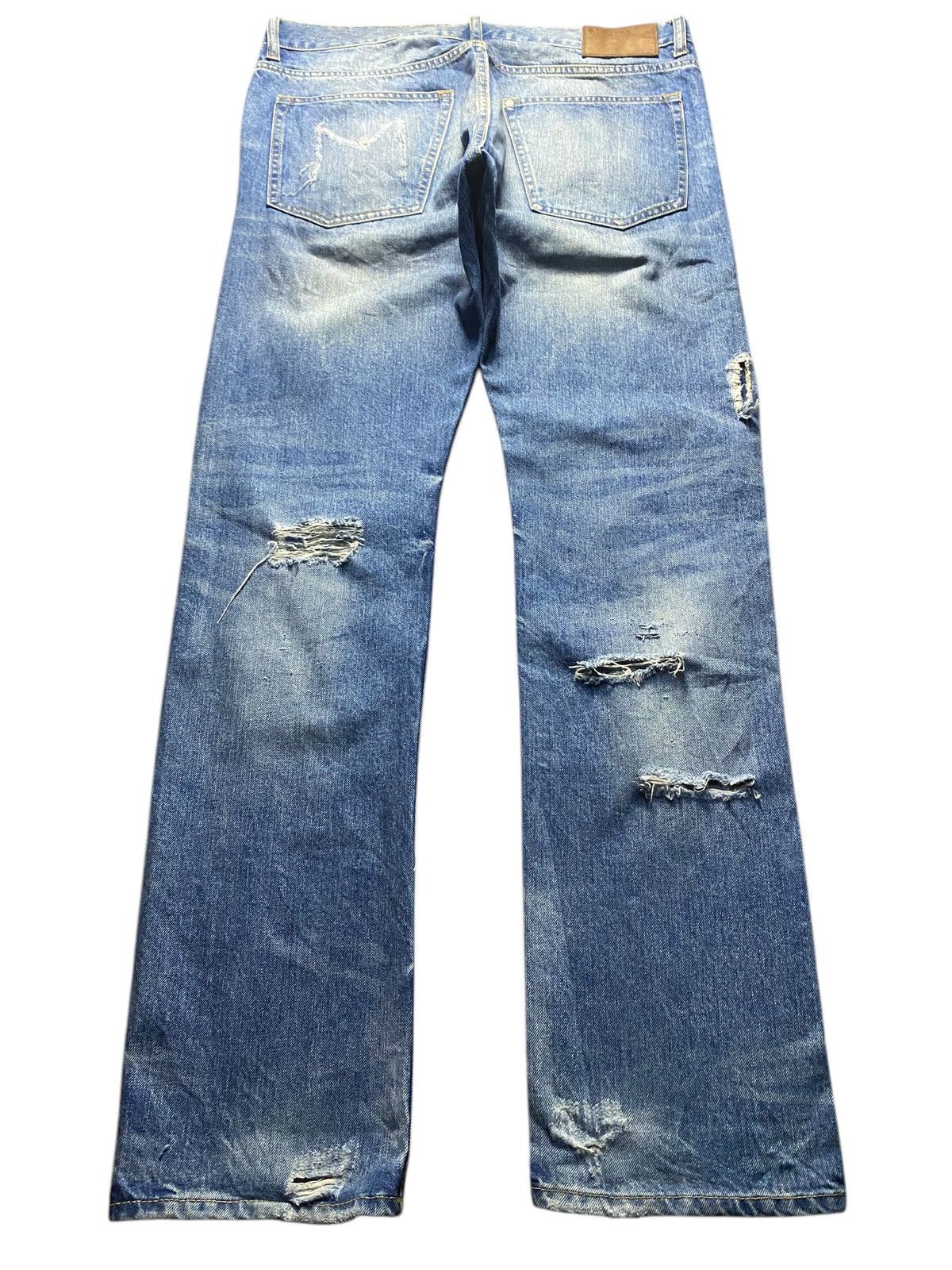
Expect premiums for unusual inseams and larger waists, particularly W36 and higher. Early colorways or historically meaningful launches also command more. Fees, shipping, and taxes can add 10–25 percent to your out-the-door total relying on area, so factor those into comparisons.
How do you translate Levi’s sizing to Denim Tears?
Most Denim Tears items follow Levi’s waist/inseam numbering, therefore your regular 501 or 505 size is the starting point. Go accurate to size if the denim is pre-processed or soft, and consider a one-size-up waist for rigid pairs if you prefer room through the high area. Always confirm which Levi’s core the piece uses.
501-based Denim Tears sizes like the classic mid-rise straight: a regular top block with a straight leg and button fly. 505-based pairs are zip-fly straight fits with a bit more room in the seat and leg for many wearers. If the product page or care marking mentions Shrink-to-Fit, follow Levi’s shrink advice and size the waist up by one or two depending on intended wash and dryer use; if there’s no Shrink-to-Fit callout, assume pre-washed. Lengths are typically offered in 30, 32, and 34, with 36 rare; if you’re long and need stacking, target the longest inseam at retail as resale costs escalates for longer lengths. When in doubt, compare the garment’s listed measurements—waist flat, thigh at crotch, height, and leg opening—to a pair of jeans you already love.
Measuring yourself the right way
Accurate measurements beat assumptions, especially when shopping a release or purchasing resale. Measure in inches with a soft tape, and note all data down. Cross-check seller measurements against your notes.
To get waist, find the narrowest section of your torso where jeans sit and measure snug but not binding; for low-rise wearers, measure at the place you actually wear the band. For height, place the tape from the high of the waistband, through the middle, to the back band to get front and back height on a flat garment; use the same technique on a pair you have for comparison. Thigh is gauged one inch below the crotch across the thigh; the leg opening is the bottom width. Inseam runs from crotch seam to hem along the internal leg; if you plan a chain hem, add half to three-quarters of an inch for shrink after the opening few washes if the material is not fully stabilized.
Spotting fakes fast: the checklist
Counterfeits usually fail on tags, artwork execution, and price believability. If the site looks off, the tags don’t read like Levi’s, or the artwork is blurry, don’t justify it. Real pairs feel and seem premium even before you read the labels.
Start with the care and size tags: Levi’s item numbers, RN/CA numbers, and font quality should be sharp and consistent. Check the cotton wreath or other motifs for clean edges, even saturation, and accurate placement across seams; embroidery should feature compact, dense stitching without loose fibers. Hardware matters: Levi’s rivets and closures are weighty and well-crimped, and the dual-horse patch print is clear. The scarlet tab should be correctly sized and stitched; micro-details on bad replicas often look swollen or off-center. Lastly, be wary of “brand new, full size run” claims from unverified shops at deep discounts—those listings tend to disappear as quickly as they appear.
Resale platforms: buying smart in 2025
Use platforms that either authenticate items before launch or enforce strong buyer safety. Ask for the photos that expose fakes, not just glamour shots. Check the offer to official imagery from the first drop.
Request close-ups of the inner care tag front and back, the waist patch, red tab, hardware, and the inside pocket print/stamp when relevant. Cross-check model codes against Levi’s standards and look for factory numbers that make sense for the timeframe. On StockX and GOAT, read the last-sale and 12-month median to see whether the asking price is an anomaly. On Grailed and eBay, examine seller reviews depth, transaction history with related products, and whether the merchant accepts returns if authentication fails. Maintain all contact on-platform and pay only using protected methods; off-platform deals are where most buyers get burned.
Will alterations hurt value?
Basic hems completed with a chainstitch maintain most worth, while aggressive tapering or rise changes usually cut it. Save all labels and receipts to support future resale. If investment value matters, minimal alterations are safest.
Buyers in this category often prefer original shape and ratios, so maintain the leg outline when possible. A chainstitch hem using cotton string mimics factory finishing and is provided at many Levi’s Alteration Stores and premium denim services. Tapering the thigh or moving the designs location disrupts designer intent and can make the pair harder to authenticate later. If your inseam is extended, shortening to your ideal break is okay—just retain the offcuts and document the work. Any tailor work should be reversible in appearance and professionally completed to avoid signaling tampering.
Little-known facts that aid you buy smarter
Four details can subtly change the odds in your advantage. They’re simple, verifiable, and they save money and time. Use them before you hit “buy.”
First, Denim Tears jeans built on Levi’s foundations bear Levi’s model codes on the wash label; matching those codes to the published base (501 or 505) remains a fast authenticity point. Second, Dover Street Market frequently conducts digital or in-store raffles for demand capsules, so a quick account setup before a drop can make purchase smooth. Third, many printed pairs use tinted inks that will micro-crack along bends with wear; that aging look is expected and not automatically a problem. Fourth, cross-border purchases can add levy and duties of roughly 15–27 percent relying on country, which shows why EU and UK retail costs often look higher than US tags even on the same item.
Expert tip
If you can’t size check, ground your choice to the base model: match the care-label model code to 501 or 505, size your best-fitting Levi’s in that silhouette, then purchase the same waist and inseam from an authorized channel and exchange the miss if the merchant accepts. This removes guesswork, aligns your expectations with the actual block, and shields you from sizing myths that flow around hype drops. One accurate measurement session saves more money than any coupon code, especially once delivery and return fees enter the picture.
Leave a Reply