Exploring the cultural impacts of gambling throughout history
The Origins of Gambling
The practice of gambling can be traced back to ancient civilizations, where it was often intertwined with religious and cultural rituals. Archaeological findings suggest that as early as 3000 BC, the Chinese were using rudimentary dice, while ancient Greeks and Romans engaged in various games of chance during festivals. These early forms of gambling served not only as entertainment but also as a means of social interaction, bringing communities together in shared excitement. Today, you can experience this thrill through platforms like pin up casino india, which offer a variety of games that capture this essence.
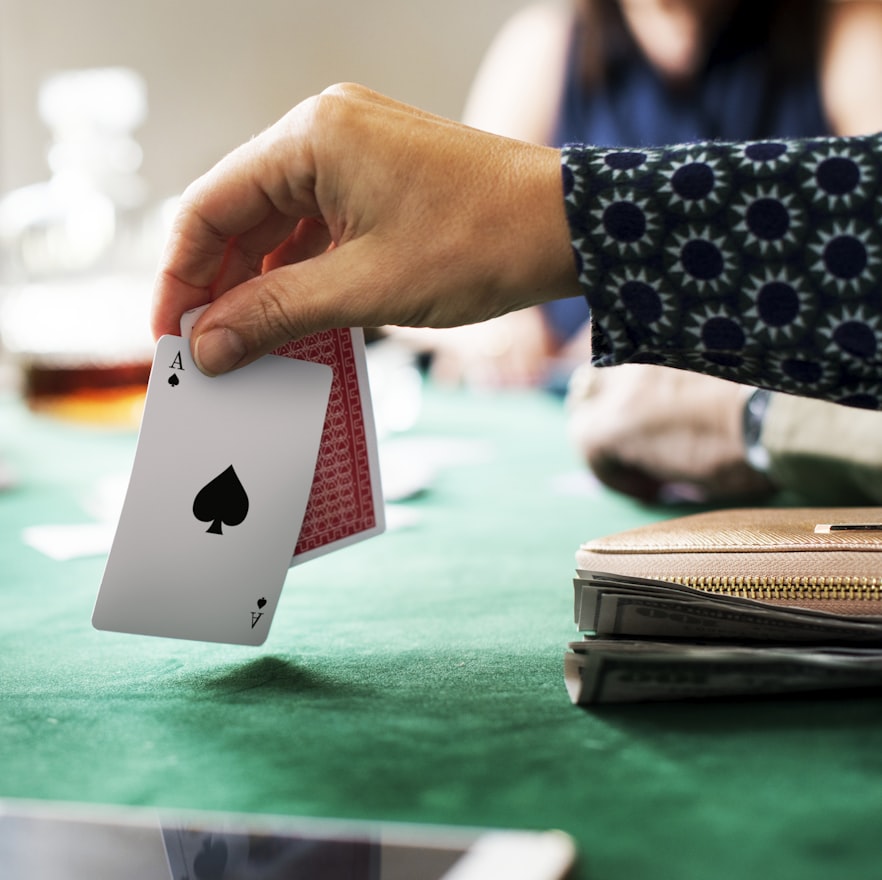
In many cultures, gambling was associated with fate and the divine. People believed that the outcomes of games could reveal messages from the gods, thus intertwining luck and spirituality. This belief system laid the foundation for gambling’s significant cultural resonance, as it evolved from a simple pastime into a complex aspect of social life, reflecting broader societal values and beliefs.
Gambling in the Middle Ages
During the Middle Ages, gambling became more organized, with the emergence of games like chess and various card games. These activities were not just leisure pursuits but were often patronized by the aristocracy, reinforcing social hierarchies. Gambling houses began to appear, creating spaces where people from different social classes could interact, albeit under the watchful eye of authority figures.
This period also witnessed the establishment of laws regulating gambling, indicating its growing significance in society. Such regulations were often aimed at curbing excesses and ensuring fair play, reflecting a societal shift towards understanding gambling as a potential vice. The moral implications of gambling began to be debated, setting the stage for ongoing discussions about its impacts on society.
The Rise of Modern Gambling
The 18th and 19th centuries marked a transformative era for gambling, particularly with the establishment of formal casinos and betting houses in Europe and America. This period saw gambling transition from a somewhat clandestine activity to a mainstream form of entertainment. The proliferation of state-sanctioned lotteries and horse racing further legitimized gambling, appealing to a wider audience.
With advancements in transportation and communication, gambling also became accessible to the masses. The industrial revolution played a pivotal role in this expansion, as urbanization led to the establishment of more gambling venues in metropolitan areas. This shift highlighted the growing acceptance of gambling in society, but it also raised concerns about its impact on public morality and individual responsibility.
Gambling and Cultural Identity
Gambling has often been a reflection of cultural identity, influencing and being influenced by the societies it inhabits. In various cultures, games of chance are tied to traditional festivals and communal gatherings, celebrating shared heritage and fostering social bonds. For instance, in India, traditional games like Teen Patti are not just recreational; they are a part of cultural festivities that strengthen community ties. Engaging in platforms such as pin up casino online allows players to explore these games within a modern context, blending tradition with innovation.
Furthermore, gambling has evolved to incorporate local customs and values, leading to unique expressions of gameplay worldwide. This cultural adaptation often leads to the creation of distinct gambling practices, which in turn contribute to a society’s identity and sense of belonging. As globalization continues to influence local cultures, the intersection of traditional and modern gambling practices presents fascinating insights into how societies evolve.

Pin Up Casino and Modern Online Gambling
In today’s digital age, online platforms like Pin Up Casino are redefining the gambling landscape, particularly for players in India. By offering a diverse selection of games, including popular titles that resonate with local preferences, these platforms are making gambling more accessible and engaging. The ease of online gambling allows individuals to enjoy their favorite games from the comfort of their homes, reflecting a significant cultural shift in how games of chance are experienced.
Moreover, Pin Up Casino emphasizes responsible gaming practices, prioritizing user satisfaction and transparency. The site’s promotional offers enhance user experience, demonstrating the modern approach to attracting and retaining players. As online gambling continues to evolve, its cultural implications will undoubtedly be significant, influencing how future generations perceive and engage with games of chance.
Leave a Reply